
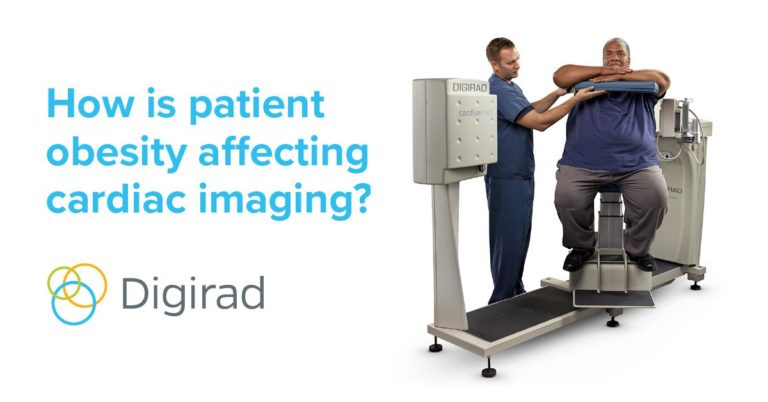
How is patient obesity affecting cardiac imaging?
Obesity rates in the United States are the highest in the world and a growing health concern. In fact, according to data published by the

Obesity rates in the United States are the highest in the world and a growing health concern. In fact, according to data published by the

It’s safe to say that SPECT is a well-established and widely used modality in diagnostic cardiac imaging. While some cameras may be younger than others
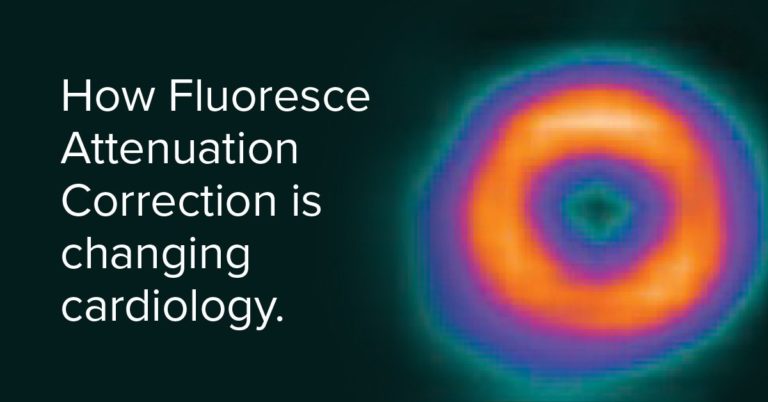
Attenuation correction is a mechanism that removes soft tissue artifacts from nuclear images. The goal is to reduce the impact of attenuation in order to

Coronary flow reserve (CFR) is the ratio of resting coronary blood flow to maximum coronary blood flow. As a descriptor of myocardial blood supply, CFR

On the surface, many solid-state SPECT camera systems may look similar. But, if you compare their individual design, functionality, and features more closely, you’ll see
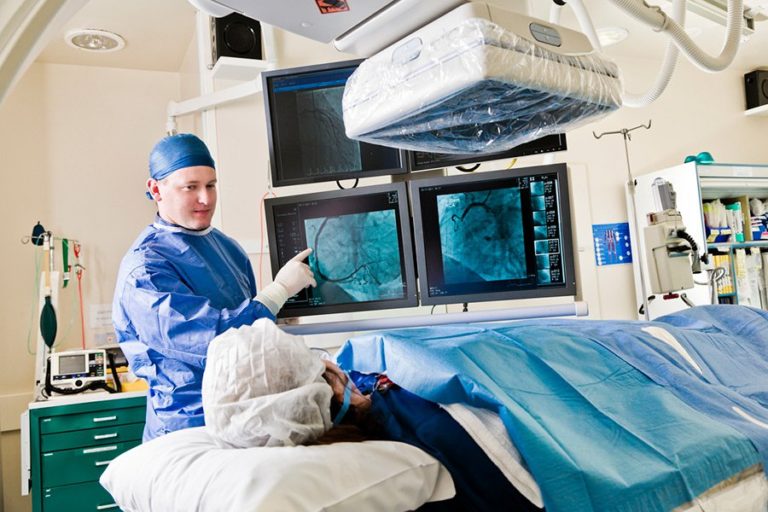
Cardiac catheterization is one of the most common diagnostic procedures for heart patients. But, because of its invasive nature, it can carry a higher risk
SPECT stands for single-photon emission computerized tomography. In layman’s terms, it’s a type of non-invasive nuclear imaging test that allows your doctor to see how
Healthcare is ever changing, so it’s important to stay up to date on advancements and issues that may impact the development, operation, maintenance, and growth